
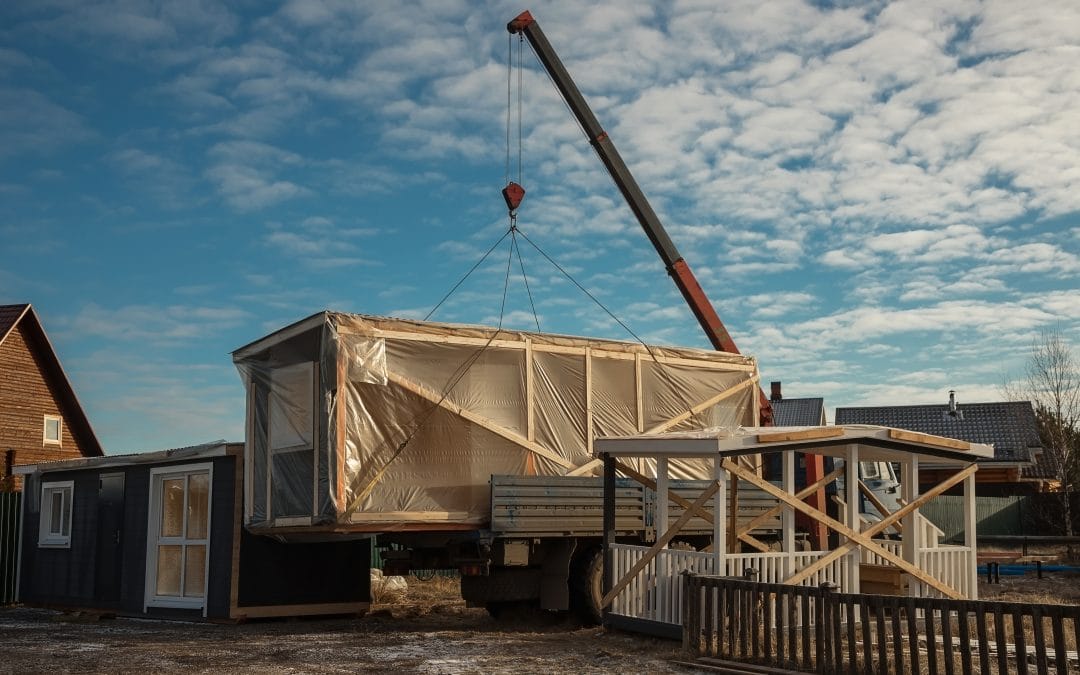
Relocating a modular building may seem simple at first, but the process involves much more than transporting a structure from one property to another. In California especially, modular building relocation requires careful planning, permitting, site preparation, and coordination to ensure the move is completed safely and efficiently.
Whether you’re relocating a portable office, modular classroom, or temporary commercial building, understanding the process ahead of time can help you avoid delays, unexpected costs, and compliance issues.
At Unified Modular Corporation, modular building relocation services are designed to help businesses, schools, and organizations move structures efficiently while meeting California regulations and project requirements.
Why Businesses Relocate Modular Buildings
One of the biggest advantages of modular construction is flexibility. Instead of investing in entirely new structures, many organizations choose to relocate existing modular buildings to new job sites, campuses, or commercial properties.
Common reasons for relocation include:
- Business expansion
- Temporary project needs
- School enrollment growth
- Facility upgrades
- Construction staging offices
- Cost savings compared to new construction
Relocating an existing modular building is often faster and more affordable than building a new structure from scratch.
Permits and California Regulations
Before relocating any modular building, it’s important to verify local and state permit requirements. California regulations may vary depending on the building size, intended use, utility connections, and final installation site.
The relocation process may involve:
- Transportation permits
- Site inspections
- Foundation approvals
- Utility disconnect and reconnect coordination
- ADA compliance reviews
Working with experienced modular building professionals can help simplify the process and reduce the risk of delays caused by missing documentation or permit issues.
Site Preparation Matters
The destination site must be properly prepared before the modular building arrives. This includes grading, foundation preparation, utility access, and ensuring there is enough space for transportation and crane placement if needed.
Poor site preparation can lead to installation delays, added labor costs, or structural issues later.
Professional modular contractors typically evaluate:
- Ground conditions
- Accessibility for transport vehicles
- Electrical and plumbing connections
- Local zoning requirements
- Drainage and foundation stability
Proper planning helps ensure the building is installed safely and functions correctly after relocation.
Transportation and Logistics
Transporting a modular building requires specialized equipment and careful route planning. Factors such as road restrictions, bridge clearances, and oversized load regulations all affect the relocation process.
Experienced modular relocation companies coordinate transportation logistics to minimize disruption and ensure the building arrives safely at its new location.
A Smarter Way to Maximize Existing Structures
Relocating a modular building can be a cost-effective solution for organizations that need flexible space without starting from scratch. With proper planning, permitting, and professional support, modular relocation projects can save time, reduce expenses, and extend the lifespan of existing buildings.
At Unified Modular Corporation, modular relocation services help California businesses, schools, and organizations adapt quickly to changing space requirements while maintaining efficiency and compliance.